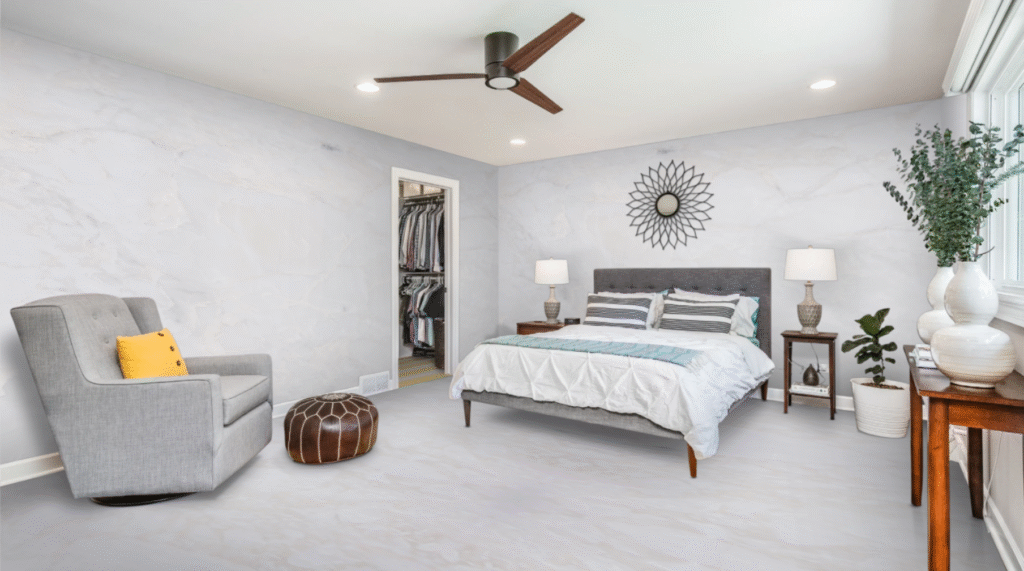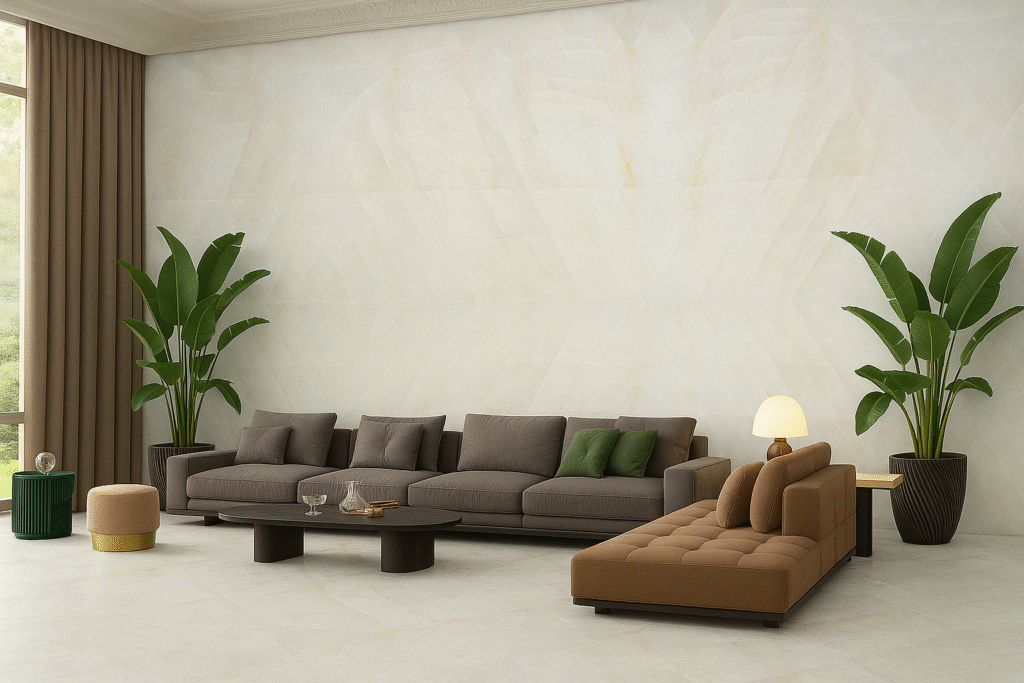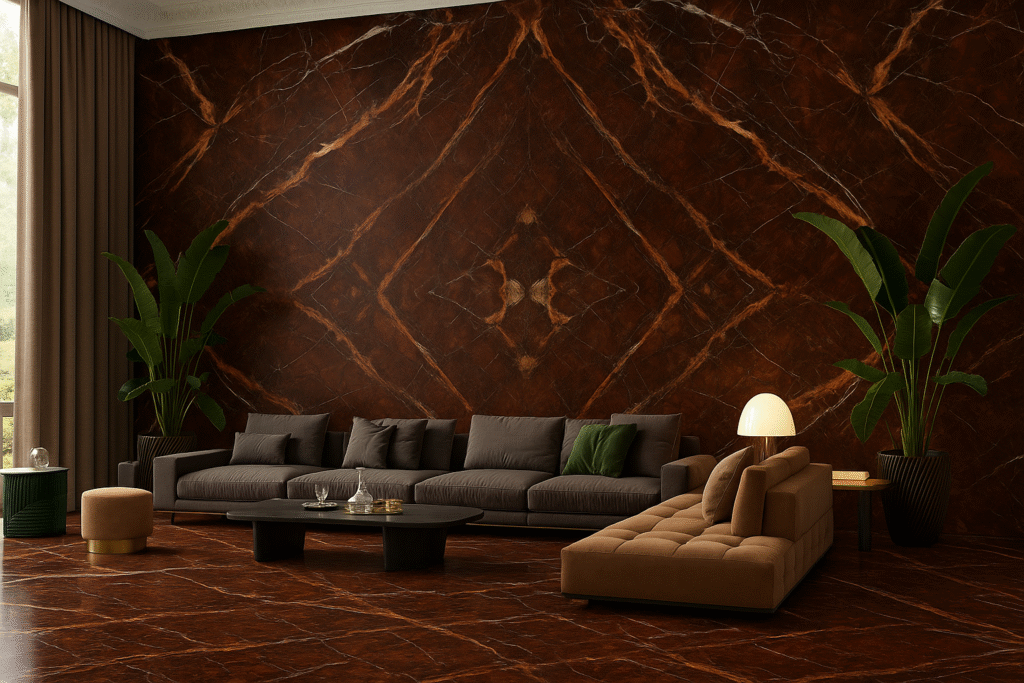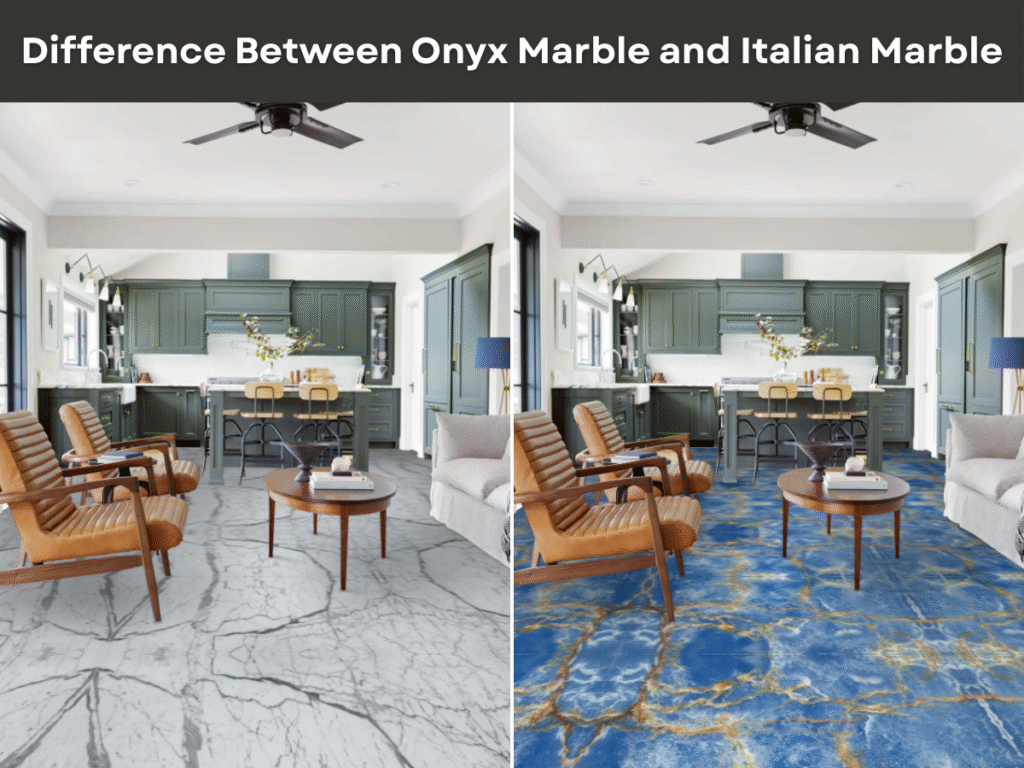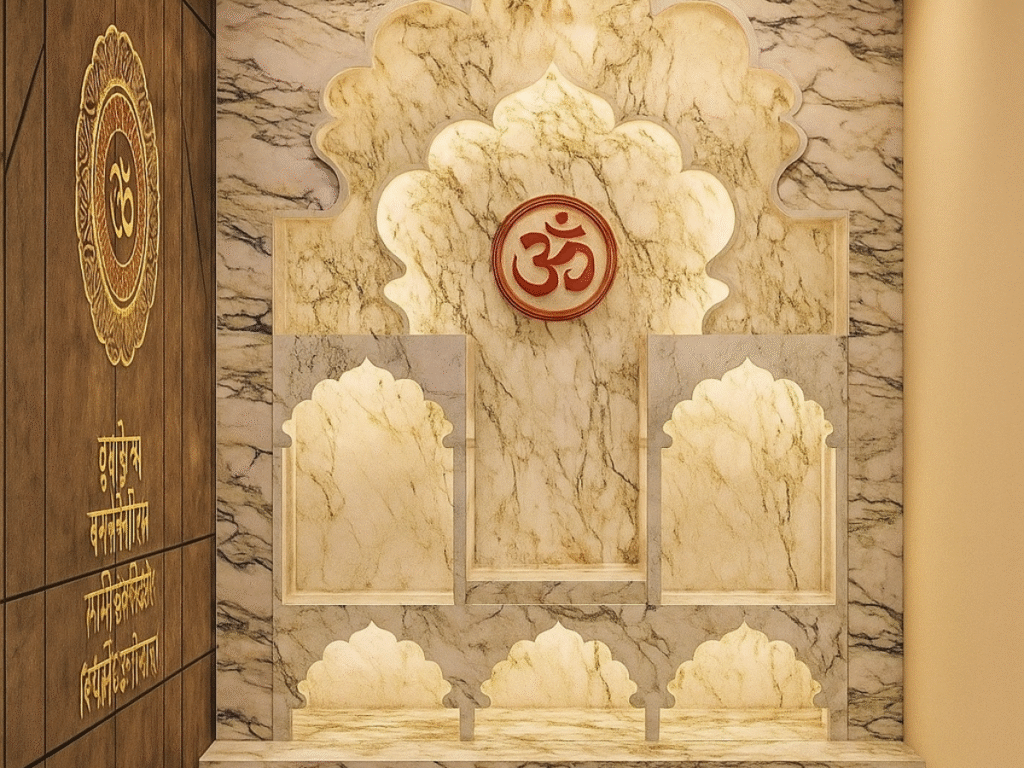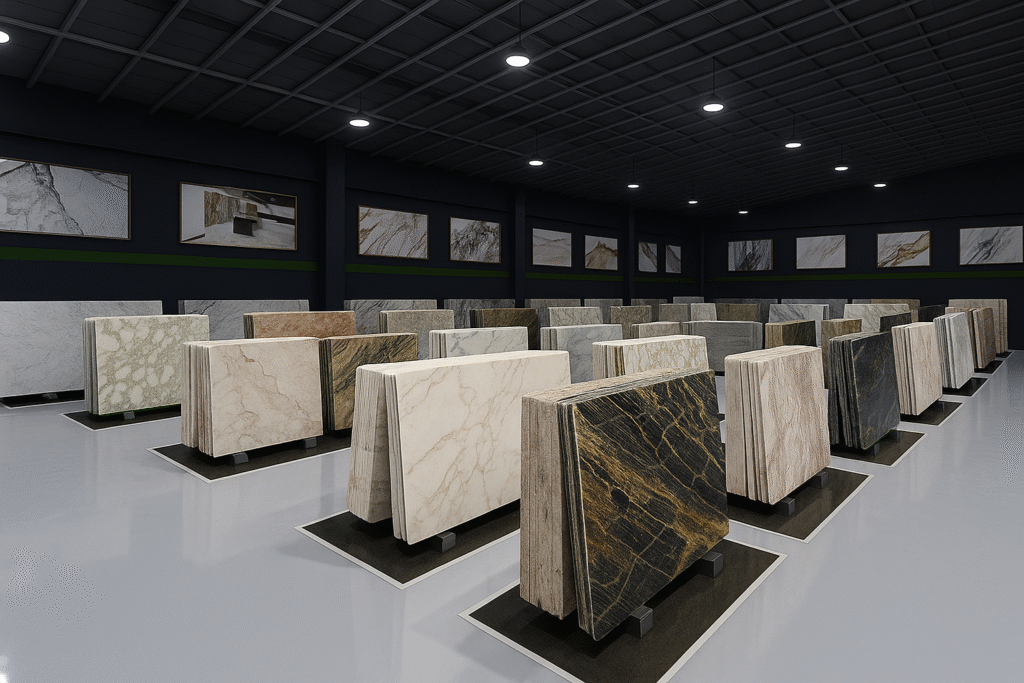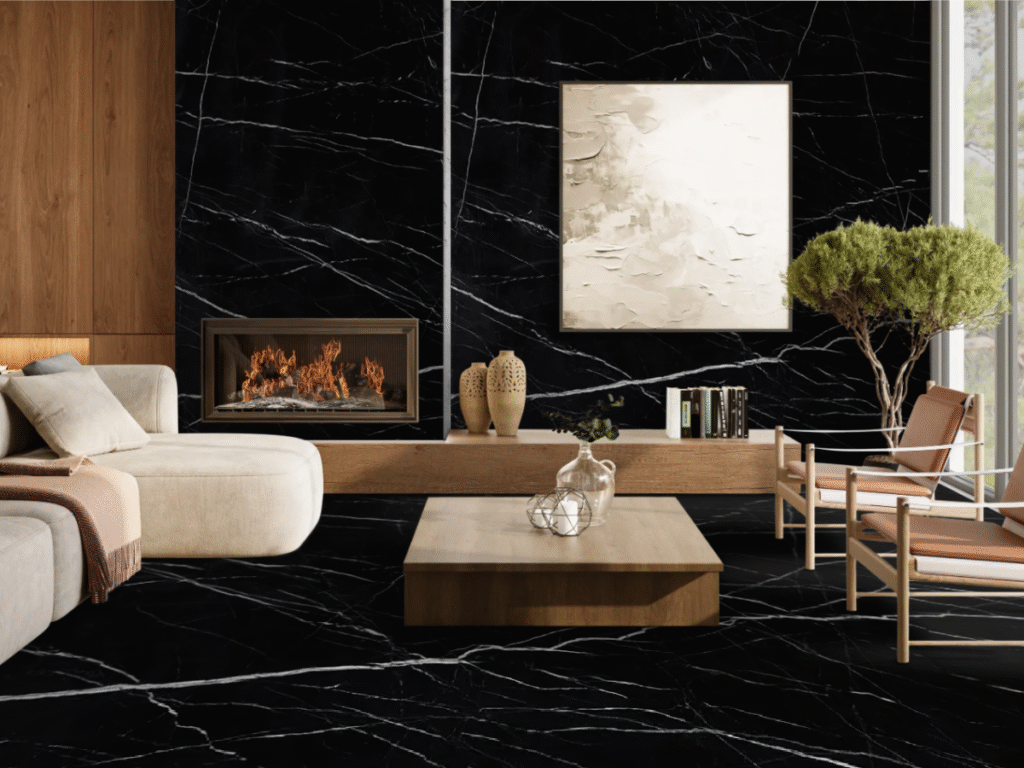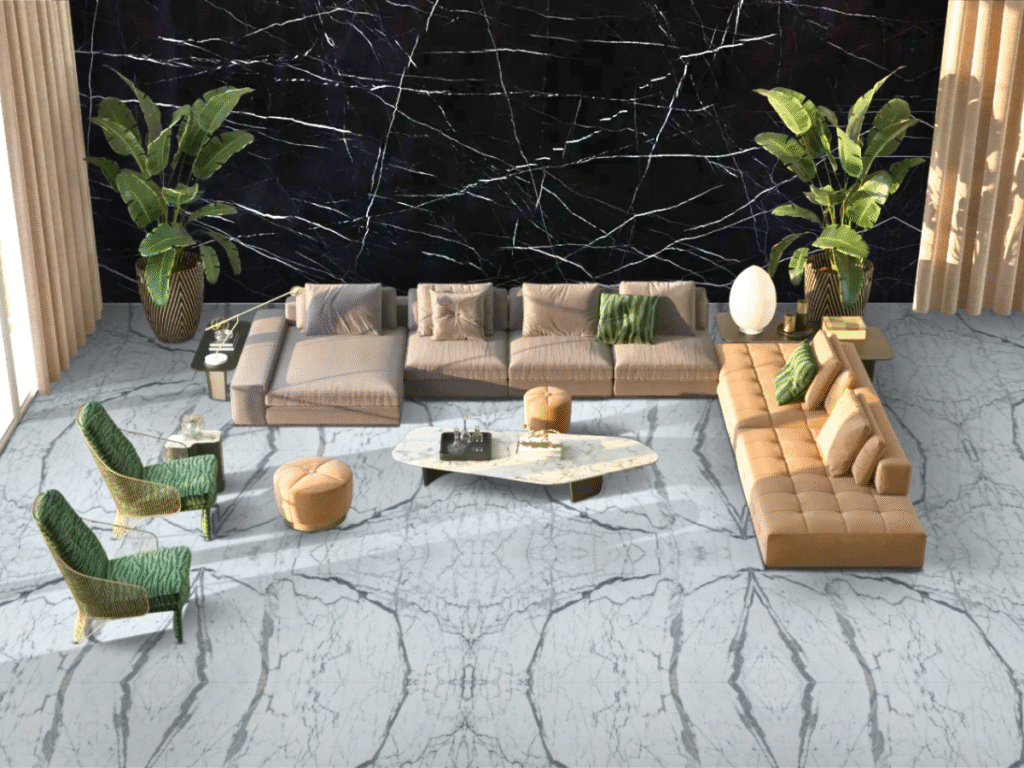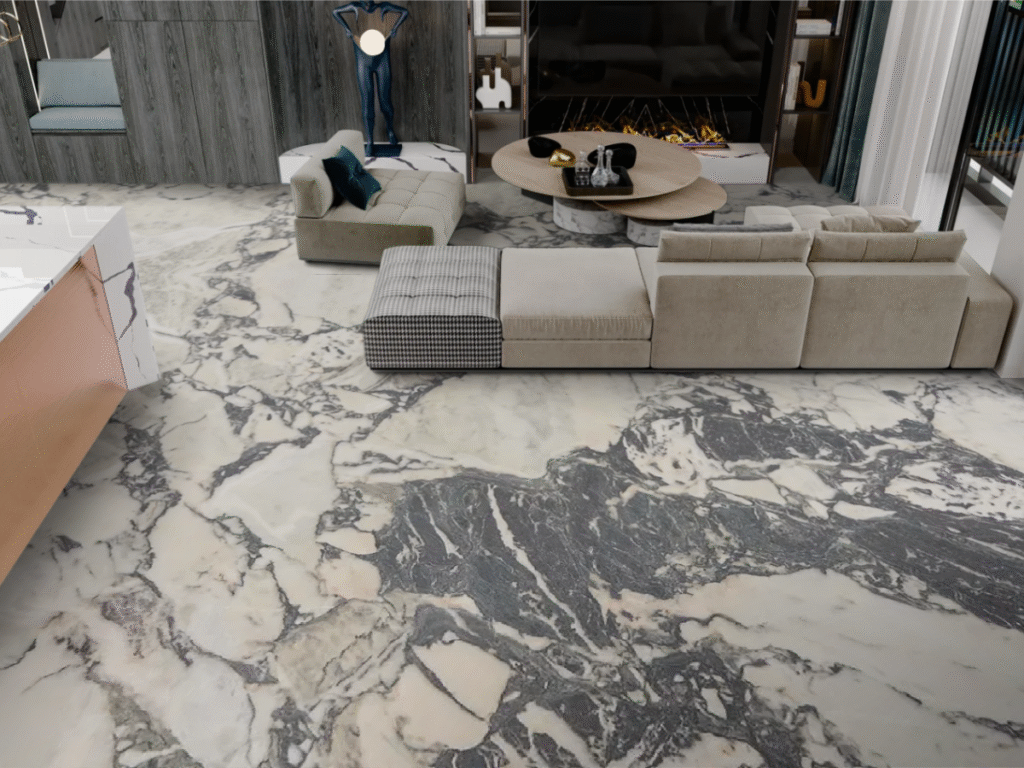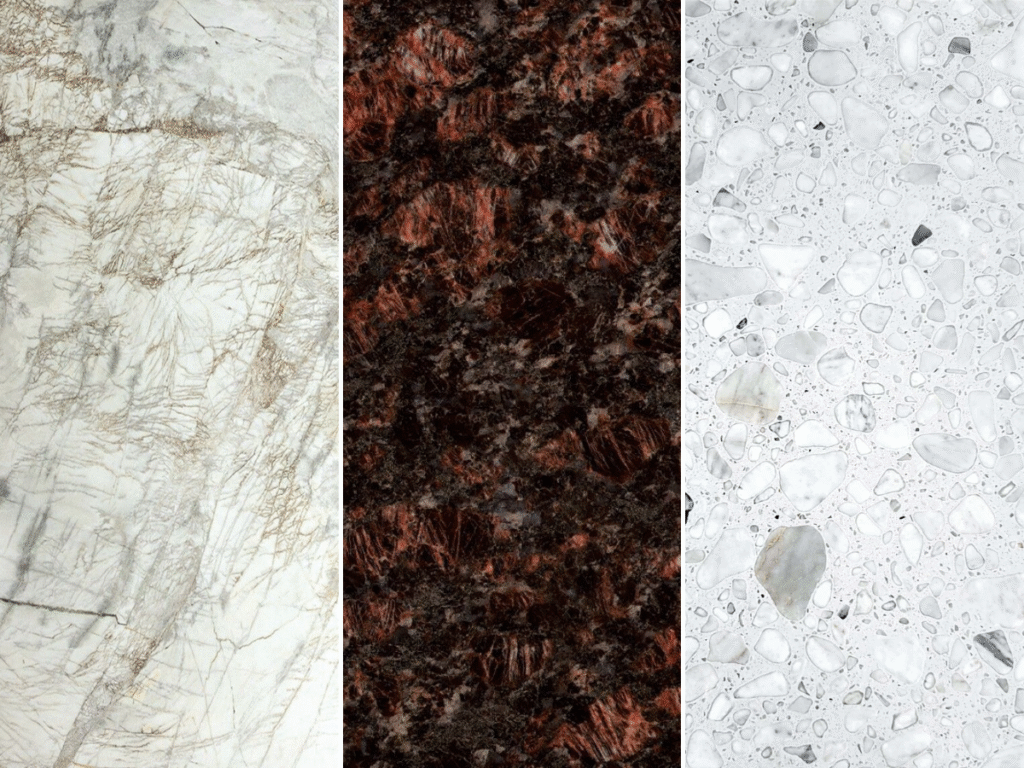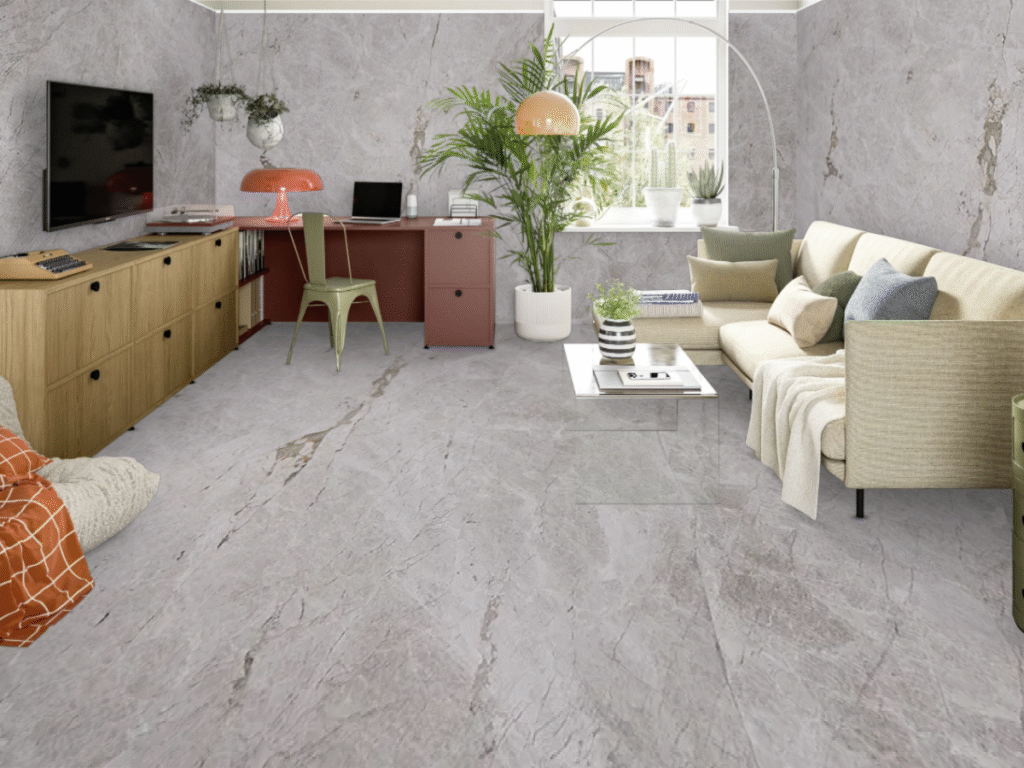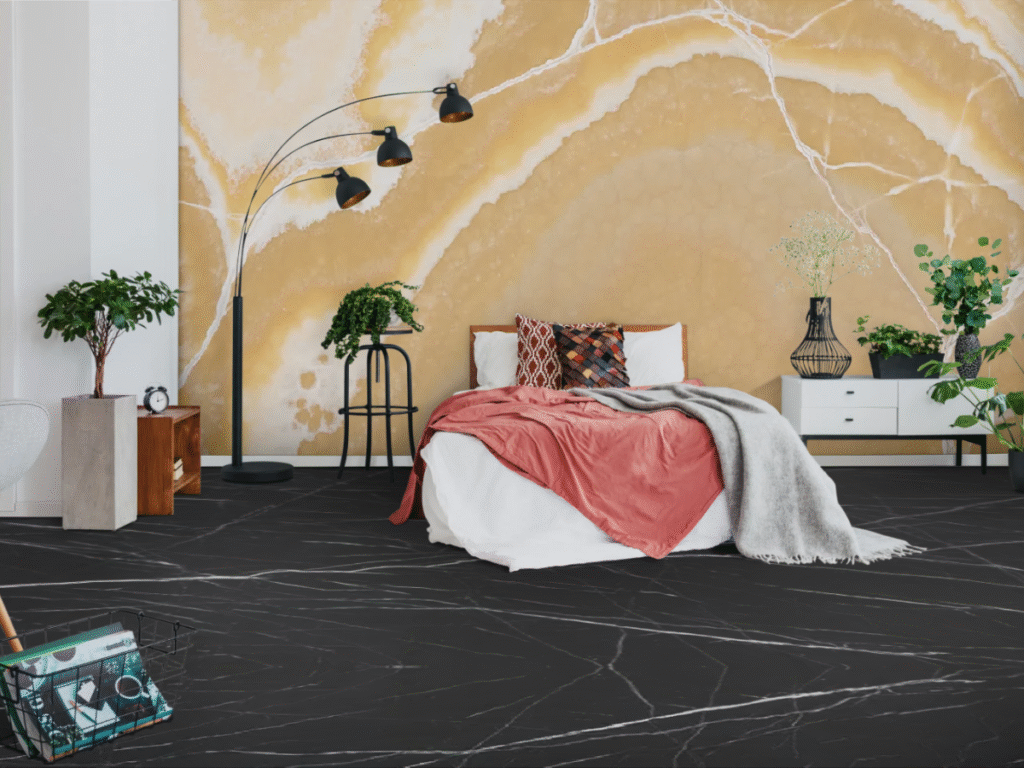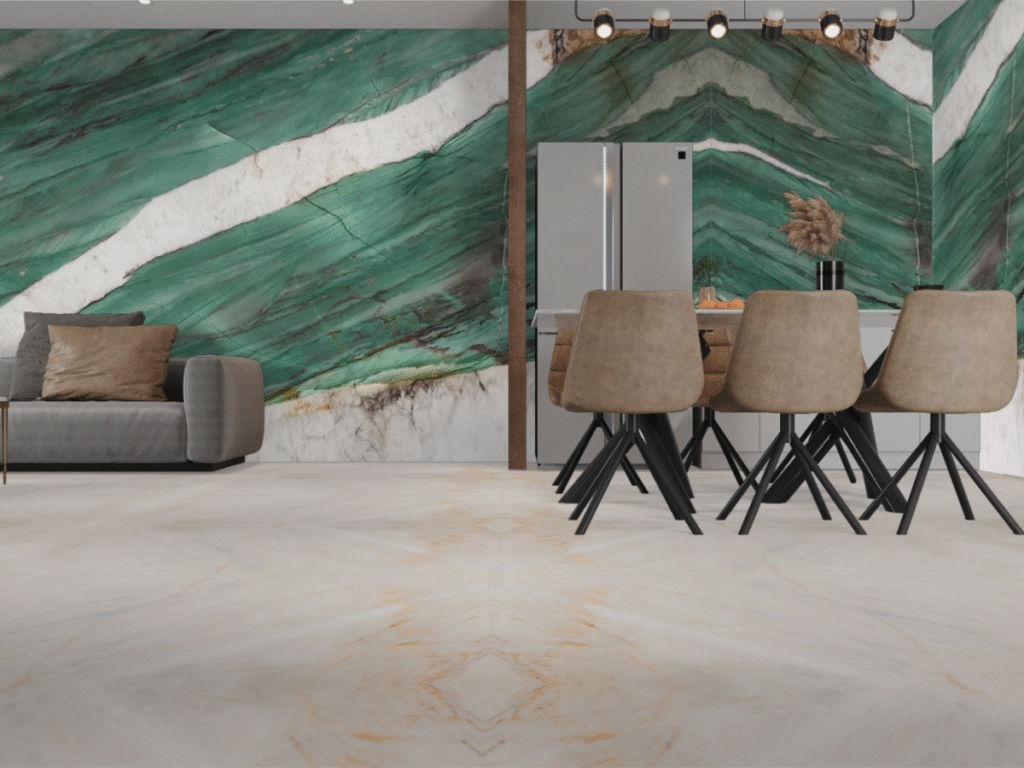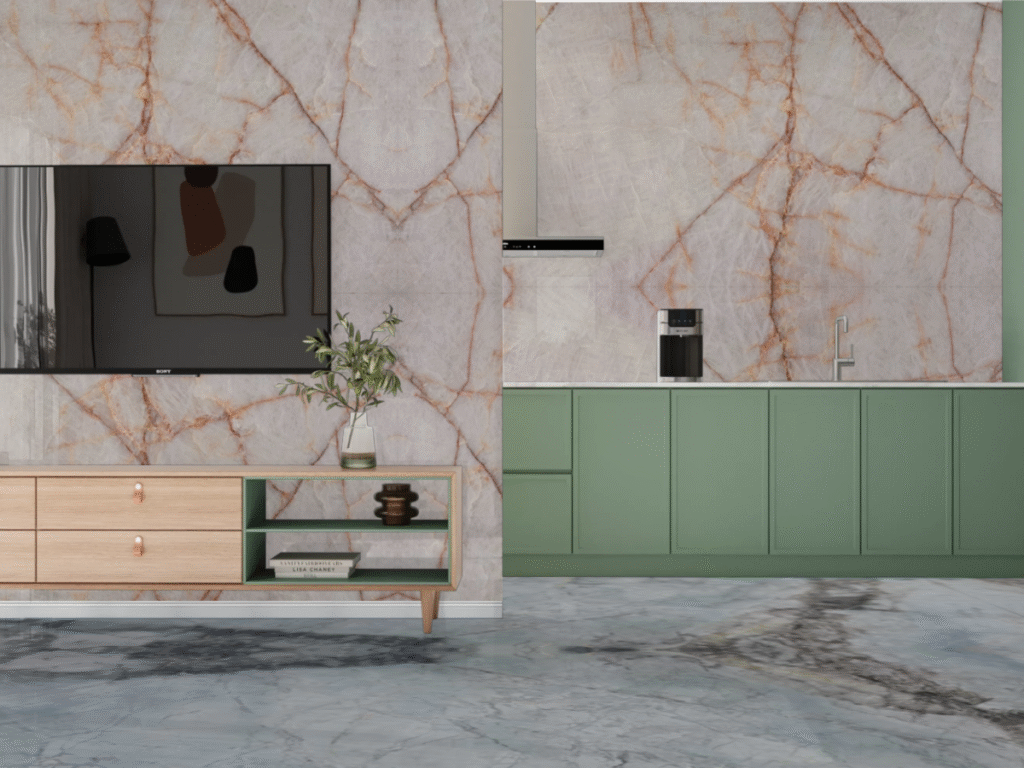
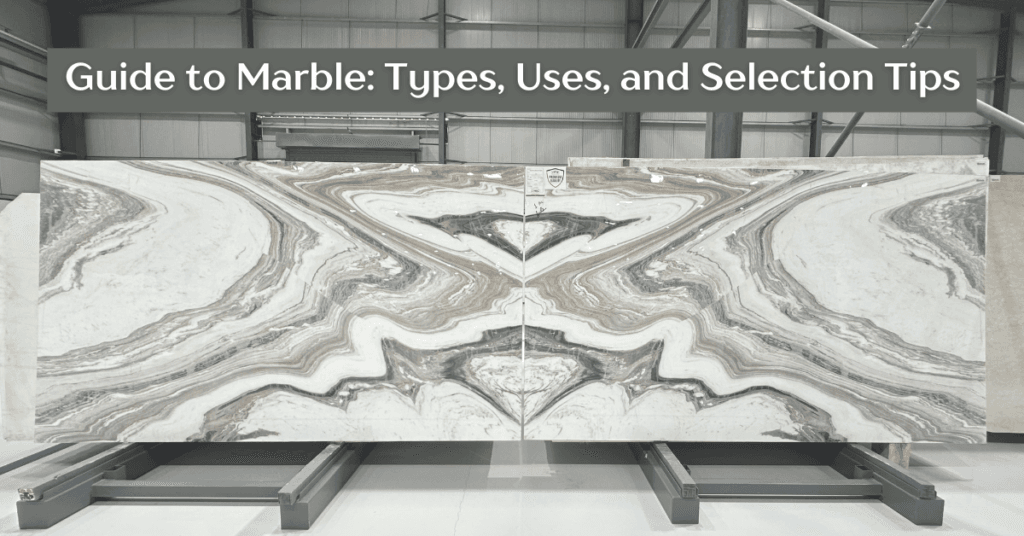
Marble isn’t just a stone—it’s a story etched in time, a material that has adorned everything from ancient Indian temples to modern luxury homes. If you’re thinking about bringing marble into your space, whether it’s for a sleek kitchen countertop, an elegant floor, or a striking accent wall, this guide is for you. We’ll dive deep into the world of marble, exploring its types, uses, benefits, and expert tips to help you choose the perfect slab. Tailored for homeowners, architects, and designers in India, this blog post from RMS Stonex will equip you with everything you need to make marble work for you.
What is Marble? Understanding the Basics
Marble is a metamorphic rock born from limestone under intense heat and pressure within the Earth’s crust. This transformation creates its signature crystalline structure, resulting in stunning veining patterns and a range of colors—from pristine whites to deep greens and warm beiges. What makes marble so special? It’s not just its beauty; it’s the way it captures light, its cool touch, and its ability to elevate any space.
In India, marble has a storied past. The Taj Mahal, built with Makrana marble from Rajasthan, is a testament to its enduring appeal. Today, it’s a staple in homes, offices, and public spaces across the country, blending tradition with modern design. At RMS Stonex, based in Kishangarh—India’s marble capital—we’ve been sourcing and supplying premium marble since 1978, helping customers turn their ideas into reality.
Types of Marble: A World of Choices
Marble’s variety is one of its biggest draws. From local Indian treasures to luxurious imports, here’s an in-depth look at the types you’ll encounter:
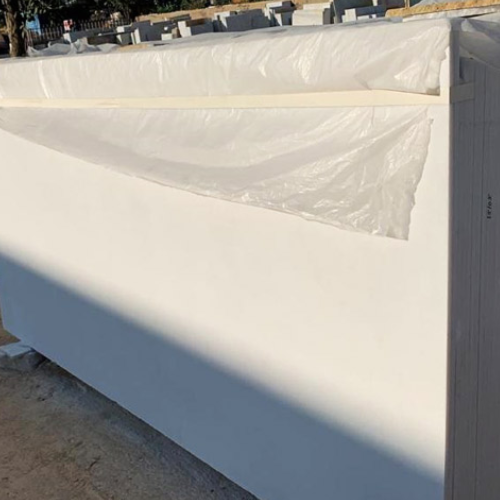
Makrana Marble
- Origin: Makrana, Rajasthan, India
- Appearance: Pure white with faint gray veining
- Key Features: Known for its strength and polish, Makrana marble is less porous, making it resistant to weathering. It’s been used in iconic structures like the Taj Mahal and Victoria Memorial.
- Best Uses: Flooring, sculptures, and heritage restorations
- Fun Fact: It’s quarried from one of the oldest marble mines in India, dating back over 400 years.
Kishangarh Marble

- Origin: Kishangarh, Rajasthan, India
- Appearance: White to beige with subtle patterns
- Key Features: Affordable and versatile, it’s a favorite for large-scale projects. Its proximity to RMS Stonex’s base ensures fresh, high-quality stock.
- Best Uses: Flooring, wall cladding, and staircases
- Fun Fact: Kishangarh is dubbed the “Marble City of India,” producing over 1 million tons annually.
Statuario Marble

- Origin: Carrara region, Italy
- Appearance: Bright white with bold, dramatic gray veins
- Key Features: A luxury marble with a high-gloss finish, it’s prized for its rarity and striking appearance.
- Best Uses: Statement countertops, accent walls, and artistic installations
- Fun Fact: Michelangelo used Statuario for some of his masterpieces, like the Pietà.
Calacatta Marble
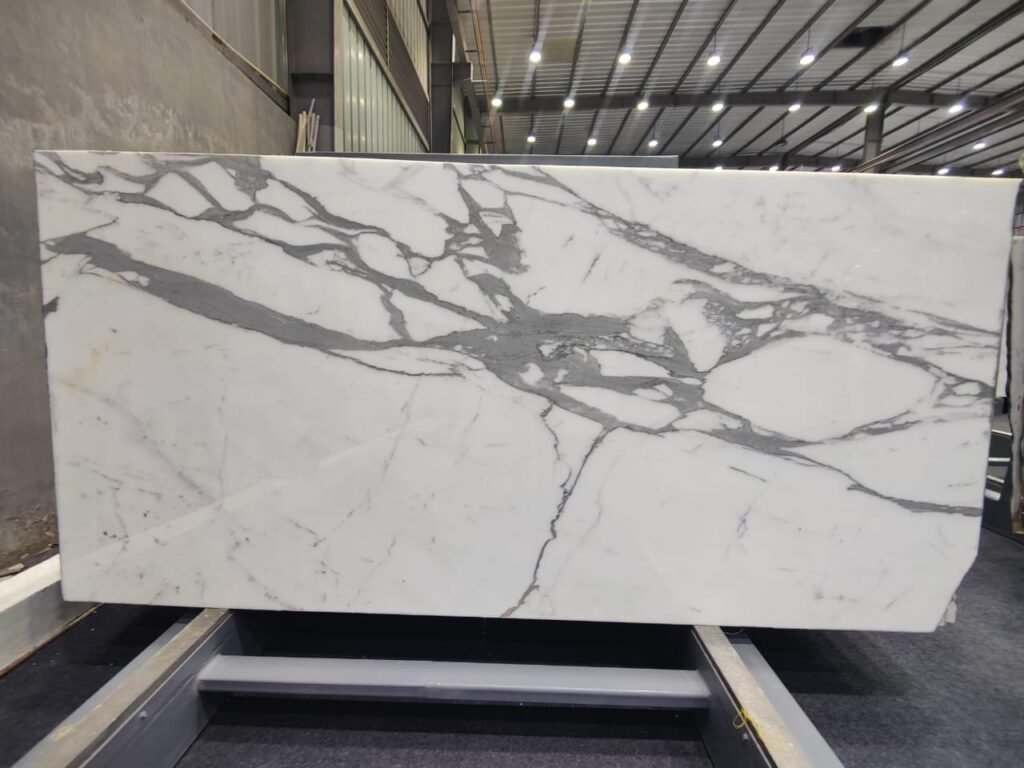
- Origin: Tuscany, Italy
- Appearance: White with thick golden or gray veining
- Key Features: Often mistaken for Carrara, Calacatta’s bolder veins and warmer tones set it apart as a premium choice.
- Best Uses: Kitchen islands, bathroom vanities, and luxury furniture
- Fun Fact: Its limited quarry supply drives its exclusivity and cost.
Carrara Marble

- Origin: Carrara, Italy
- Appearance: Soft white with fine, feathery gray veining
- Key Features: More affordable than other Italian marbles, it’s widely available and versatile.
- Best Uses: Flooring, backsplashes, and bathroom tiles
- Fun Fact: Over 80% of Italy’s marble exports come from Carrara quarries.
Green Marble
- Origin: Udaipur, Rajasthan, India
- Appearance: Rich green with natural veining
- Key Features: Its earthy tones add a unique flair, and it’s surprisingly durable for outdoor use.
- Best Uses: Feature walls, garden decor, and tabletops
- Fun Fact: Also called “Verde Guatemala,” it’s exported globally for its vibrant hue.
Ambaji Marble

- Origin: Gujarat, India
- Appearance: White with light gray or pinkish veins
- Key Features: A smooth finish and consistent quality make it a budget-friendly Indian option.
- Best Uses: Flooring and wall panels
- Fun Fact: It’s often used in Jain temples for its purity and shine.
At RMS Stonex, we stock these and more—over 50 varieties, from Indian classics to exotic imports. Whether you’re in Mumbai, Bangalore, or Delhi, we deliver the best marble types in India right to your doorstep.
Uses of Marble: Where Elegance Meets Function

Marble’s versatility makes it a standout material. Here’s how it transforms spaces:
1. Flooring
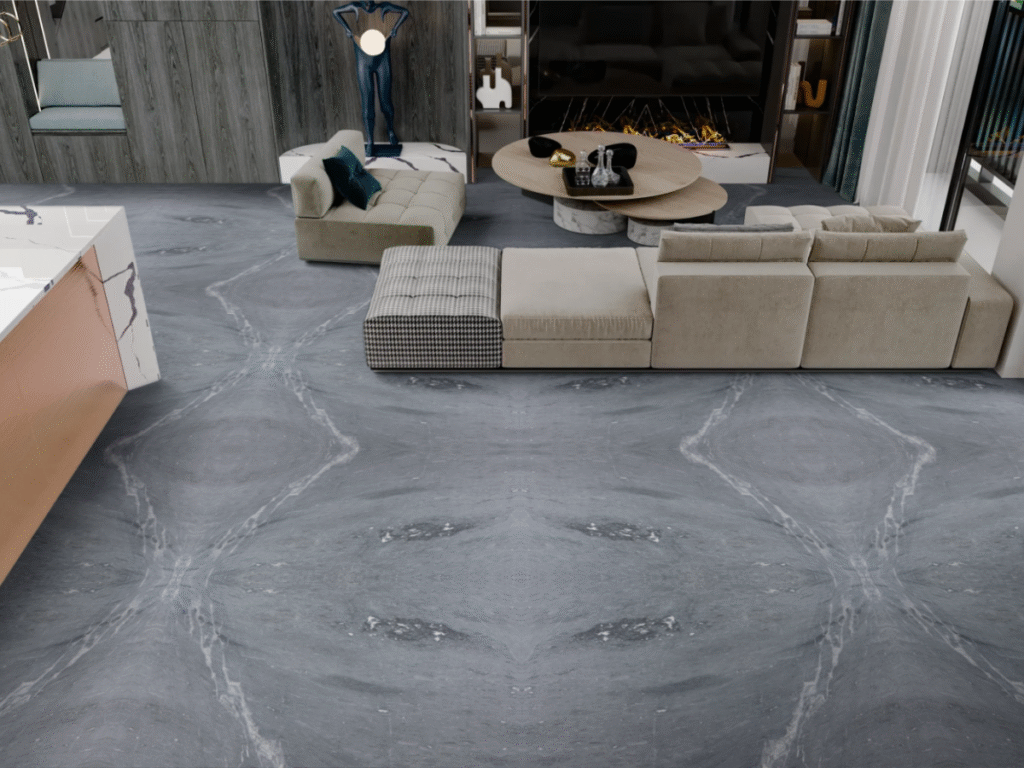
Marble floors are a classic choice in India, especially in hot climates where their cool surface provides relief. White marbles like Makrana or Kishangarh brighten living rooms, while darker shades like Green Marble add depth to entryways.
2. Kitchen Countertops
Marble’s heat resistance and smooth finish make it ideal for kitchens. Sealed Calacatta or Statuario slabs can handle chopping and cooking while looking chic. In Indian homes, they pair beautifully with wooden cabinets.
3. Wall Cladding
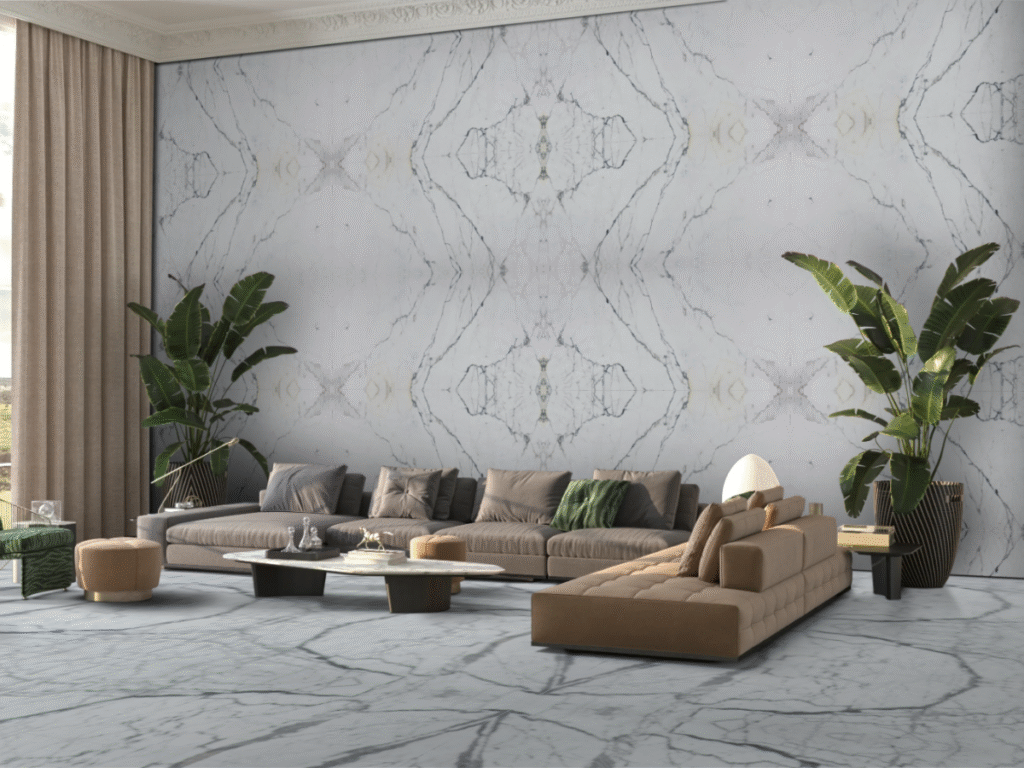
Turn a plain wall into art with marble cladding. Green Marble creates bold feature walls in offices, while Carrara adds subtle elegance to bedrooms. It’s also soundproof and fire-resistant—bonus points for safety.
4. Bathroom Fixtures
Marble brings a spa-like vibe to bathrooms. Use Carrara for tiles or Statuario for vanities. Its natural coolness feels luxurious underfoot, perfect for India’s warm weather.
5. Sculptures and Decorative Pieces
Marble’s workability shines in sculptures, fountains, and tabletops. Indian artisans craft intricate designs from Makrana, while imported marbles like Calacatta inspire modern decor.
6. Staircases and Risers
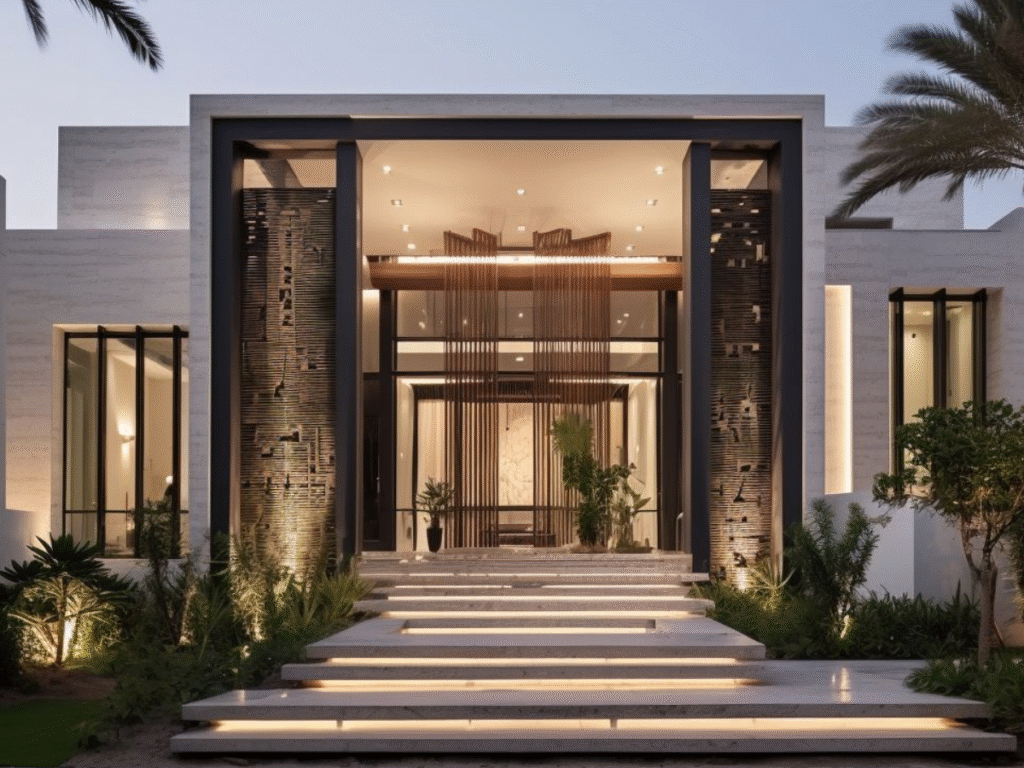
Marble staircases elevate interiors. Kishangarh marble, with its affordability and strength, is a popular pick for residential and commercial spaces.
From homes in Hyderabad to hotels in Jaipur, marble’s applications are endless, blending style with practicality.
Benefits of Marble: Why It’s Worth It
Marble isn’t just about looks—it’s a smart investment. Here’s why:
- Aesthetic Mastery: No two slabs are identical, offering one-of-a-kind designs.
- Longevity: With care, marble lasts generations—think of India’s 17th-century monuments still standing strong.
- Cooling Effect: Naturally cool, it’s a blessing in India’s tropical climate.
- Sustainability: As a natural stone, it’s eco-friendly when sourced responsibly.
- Value Boost: Marble upgrades increase property resale value, a big plus for homeowners.
Sure, it’s softer than granite, but its charm and durability make it a standout.
Marble vs. Other Stones: A Side-by-Side Look
Marble often gets compared to granite and quartz. Let’s break it down:
Marble vs. Granite
- Appearance: Marble has flowing veins; granite is speckled and uniform.
- Durability: Granite resists scratches and stains better; marble needs sealing to prevent etching.
- Maintenance: Marble requires more care; granite is low-maintenance.
- Cost: Marble’s premium varieties (e.g., Calacatta) cost more than common granites.
Marble vs. Quartz
- Appearance: Marble is natural with organic patterns; quartz is engineered with consistent designs.
- Durability: Quartz is non-porous and tougher; marble is softer and porous.
- Maintenance: Quartz needs minimal upkeep; marble demands regular sealing.
- Cost: High-end marble can exceed quartz, but budget marbles like Kishangarh are competitive.
Choose marble for artistry and heritage, granite for rugged use, or quartz for fuss-free practicality. At RMS Stonex, we offer all three to suit your needs.
Selection Tips: Finding Your Perfect Marble
Picking the right marble can feel daunting, but these tips simplify the process:
1. Know Your Space
- High-Traffic Areas: Go for Makrana or Carrara—they’re tough and timeless.
- Decorative Spots: Statuario or Green Marble for bold accents.
2. Factor in Maintenance
- Busy households? Pre-sealed slabs or less porous marbles like Makrana save time.
- Love upkeep? Calacatta’s beauty rewards the effort.
3. Match Your Style
- Minimalist? White marbles like Carrara or Kishangarh.
- Bold? Green or Calacatta with dramatic veins.
4. Set a Budget
- Indian marbles (Kishangarh, Ambaji) are wallet-friendly.
- Italian imports (Statuario, Calacatta) are a splurge worth considering.
5. Check Quality
- Look for uniform color, minimal cracks, and a polished finish. RMS Stonex inspects every slab for perfection.
6. Test in Your Space
- Lighting changes marble’s look. Borrow samples from us to see how they vibe at home.
7. Consider Thickness
- Flooring needs 15-20 mm slabs; countertops can handle 20-30 mm for durability.
Drop by our Kishangarh showroom or order samples online—seeing marble in person beats any screen.
Marble Maintenance: Keeping the Shine Alive
Marble’s beauty lasts with proper care. Here’s your maintenance checklist:
- Daily Cleaning: Wipe with a pH-neutral cleaner (e.g., soap water) and a microfiber cloth. Avoid acidic cleaners like vinegar—they etch the surface.
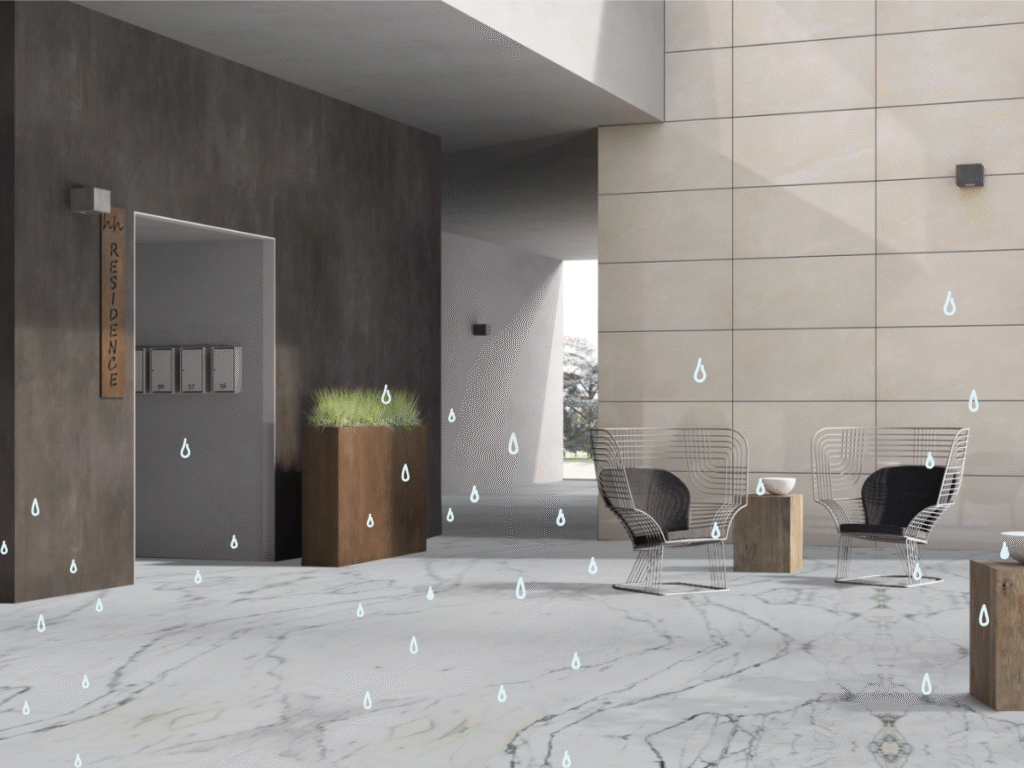
- Sealing: Apply a penetrating sealant every 6-12 months, depending on use. Test by dripping water—if it beads, you’re good; if it soaks, reseal.
- Spill Control: Blot (don’t scrub) spills like curry or wine instantly to avoid stains.
- Protect Surfaces: Use coasters under glasses and mats under hot pans.
- Polishing: Restore shine with a marble-specific polish every few years.
Follow these steps, and your marble will rival the Taj Mahal’s glow. Need products? We stock sealants and cleaners at RMS Stonex.
Marble in India: A Cultural and Modern Marvel
Marble is woven into India’s fabric. Beyond the Taj Mahal, it graces the Dilwara Temples’ intricate carvings and modern landmarks like the Leela Palace in New Delhi. Rajasthan, producing over 90% of India’s marble, is the heartbeat of this industry, with hubs like Makrana, Kishangarh, and Udaipur leading the charge. In 2025, India’s marble market is booming, driven by urban growth and demand for luxury interiors.
At RMS Stonex, we’re proud to bridge this heritage with today’s needs, offering locally quarried marbles and imports from Italy, Turkey, and beyond. Whether you’re in Chennai or Chandigarh, we ship nationwide.
FAQs About Marble
Makrana and Kishangarh lead for their beauty, affordability, and local availability.
Yes, with weather-resistant types like Green Marble or sealed Makrana. Avoid porous varieties in heavy rain zones.
Marble’s elegant but needs sealing; granite’s tougher and low-maintenance.
Every 6-12 months—more often in kitchens or bathrooms.
Yes, with sealing and harder types like Makrana or Carrara, Statuario, and Michelangelo Marble.
We offer unmatched quality, variety, and expertise from Kishangarh, with 45+ years in the game. More questions? Contact us at RMS Stonex.